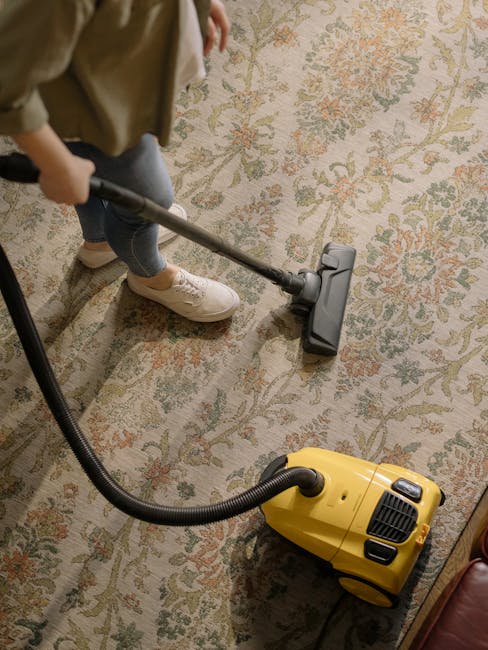
Avoid hidden fees in Ealing carpet cleaning quotes
If you have ever compared carpet cleaning quotes and felt that one looked almost too good to be true, you are not alone. Hidden extras can turn a straightforward booking into a frustrating surprise, especially when you are trying to keep costs sensible for a home, rental property, or office in Ealing. The good news is that Avoid hidden fees in Ealing carpet cleaning quotes is not complicated once you know what to check, what to ask, and which pricing details matter most.
In this guide, we will walk through the common traps, explain how a quote should be structured, and show you how to compare offers properly without getting lost in the small print. You will also see what a fair quote usually includes, what to question before you book, and how to spot the difference between a genuine bargain and a strangely cheap number that grows arms and legs later. Let's keep it simple, practical, and a bit more honest than a rushed phone estimate on a rainy Tuesday.
Table of Contents
- Why Avoid hidden fees in Ealing carpet cleaning quotes Matters
- How Avoid hidden fees in Ealing carpet cleaning quotes Works
- Key Benefits and Practical Advantages
- Who This Is For and When It Makes Sense
- Step-by-Step Guidance
- Expert Tips for Better Results
- Common Mistakes to Avoid
- Tools, Resources and Recommendations
- Law, Compliance, Standards, or Best Practice
- Options, Methods, or Comparison Table
- Case Study or Real-World Example
- Practical Checklist
- Conclusion
- Frequently Asked Questions
Why Avoid hidden fees in Ealing carpet cleaning quotes Matters
Hidden fees matter because carpet cleaning is often booked at a moment when people are already dealing with a problem: muddy footprints after a wet week, a move-out deadline, pet smells, a spill before guests arrive, or a tenancy inspection that suddenly feels very real. When a service is time-sensitive, people are naturally more likely to accept a quick quote without digging too deeply. That is where surprises creep in.
In Ealing, where homes range from compact flats to larger family houses, the final price can vary for sensible reasons. Staircases, heavy staining, parking difficulty, awkward access, upholstery add-ons, and room size all affect the job. The trouble starts when these items are not made clear from the beginning. A quote that seems affordable may later include charges for pre-treatment, minimum booking fees, deodorising, moving light furniture, or travel. Sometimes these are fair charges. The issue is not the charge itself. It is the lack of clarity.
Truth be told, most people do not mind paying for a proper service. What they do mind is discovering extra costs after the cleaner has already started. That is a trust problem as much as a pricing problem. If a company is open about what is included, you can compare apples with apples instead of guessing which quote is actually cheaper.
Expert summary: A clean quote should tell you what is included, what is optional, what could change the price, and when a surcharge applies. If any of those points are vague, ask again before you book.
It is also worth remembering that carpet cleaning is not just about appearance. A clear quote helps you plan time, budget, and expectations. That is especially useful for landlords, tenants, landlords managing multiple properties, and busy households that need the work done without a long back-and-forth.
If you are comparing more than carpet cleaning, it may help to look at broader service information too, such as the company's pricing and quotes guidance and the wider carpet cleaning service details. Those pages can make it easier to understand how the business structures its costs before you commit.
How Avoid hidden fees in Ealing carpet cleaning quotes Works
The simplest way to avoid hidden fees is to treat a carpet cleaning quote like a checklist, not just a number. A proper quote should break the job into parts. You are looking for the room count, the type of fabric or carpet, the cleaning method, any stain treatment, whether deodorising is included, and any likely extras such as parking or access difficulty. If the company gives you a single flat figure with no explanation, that is not automatically a bad sign. But it does mean you need to ask sharper questions.
Here is how the process usually works when it is done properly. First, the cleaner asks about your rooms, carpet condition, fibres, and any obvious problem areas. Then they estimate the time and products required. After that, they explain any likely additional charges in advance. In some cases, they may confirm the quote after seeing photos or visiting the property. That is normal and, frankly, often more accurate than guessing over the phone.
What should be included? At minimum, you would expect the base cleaning price, the service area covered, and a clear note on what happens if the job is larger than described. You may also see add-ons for stain protection, deep extraction, or specialist treatment for delicate materials. These are not hidden fees if they are explained up front. They only become a problem when they appear late in the day, usually right after you have mentally spent the money elsewhere. Annoying, to put it mildly.
A useful rule: if a cost changes because your carpet is in a different condition than you described, that can be legitimate. If the price changes because the company never told you a key charge existed, that is something else entirely.
For readers comparing services around the home, it can also help to see whether the business is open about other standards and service expectations, such as insurance and safety and its terms and conditions. That context often tells you whether the company is used to working transparently.
Key Benefits and Practical Advantages
Being careful about hidden fees does more than save money on one invoice. It improves the whole booking experience. You know what you are paying for, you can compare different providers more confidently, and you are less likely to feel cornered on the day of the appointment. Small thing? Not really. It makes a noticeable difference.
Some of the main advantages include:
- Clear budgeting: You can plan the total cost instead of chasing the final number after the work is complete.
- Fair comparison: A detailed quote lets you compare service against service, not headline price against mystery price.
- Fewer disputes: The cleaner and customer start with the same understanding, which usually avoids awkward conversations later.
- Better service fit: Transparent pricing often goes hand-in-hand with a better understanding of your carpet type, stains, and access needs.
- More trust: A company that explains extras clearly tends to feel easier to deal with, and that matters when you are inviting someone into your home.
There is also a practical side many people miss: good quote clarity often reflects good operational habits. A company that knows how to quote properly usually knows how to schedule properly, bring the right equipment, and manage expectations if something changes. That does not guarantee perfection, of course. But it is a solid sign.
When a carpet cleaning business gives a transparent estimate, you also gain a better sense of whether the job includes standard pre-treatment, whether the drying time is likely to be discussed, and whether the cleaner is prepared to advise you honestly if a stain may not come out completely. That sort of honesty is worth paying for. It really is.
Who This Is For and When It Makes Sense
This approach is useful for almost anyone booking carpet cleaning in Ealing, but some people benefit more than others. If you are a tenant preparing to move out, you want certainty because the timing is tight and the final cost may need to be justified to a landlord or letting agent. If you are a landlord or property manager, a clean quote helps you compare contractors across different properties without getting unexpected extras added later. If you are a homeowner, it helps you stay on budget and avoid paying for things you did not knowingly approve.
It is also a good idea if you have specific carpet concerns, such as pet odours, old wine stains, ground-in dirt in hallways, or delicate carpets in a reception room. The more specific the issue, the more important the quote structure becomes. A vague one-line estimate is not much help if you need specialist treatment or if access is awkward through a narrow staircase and a landing that turns just so. London homes, eh. They keep things interesting.
Commercial customers should be careful too. Offices, clinics, shared workspaces, and retail spaces often need out-of-hours work, more floor area, or a clearer handover point. Those details can affect pricing, and not always in obvious ways. Asking early saves admin later.
You will also benefit from this approach if you want to bundle services. For example, some people combine carpet cleaning with sofa cleaning or rug cleaning. Bundles can be sensible, but only if each item is clearly priced and you can see where the discount is coming from.
Step-by-Step Guidance
Here is a straightforward way to avoid hidden extras without turning quote comparison into a full-time hobby.
- Describe the job properly. Give the number of rooms, approximate sizes, carpet type if known, visible stains, pets, access issues, and whether parking is likely to be a problem. The cleaner cannot price what they do not know.
- Ask what the base price includes. Does the quote include vacuuming, pre-treatment, hot water extraction, deodorising, and moving light furniture? Ask for a plain-English answer.
- Check for common extras. Typical add-ons can include stain removal, deep pile treatment, very dirty carpets, protective treatment, stairs, and travel or parking surcharges. Not every company charges all of these, but they are worth asking about.
- Request the total cost scenario. A useful question is: "What would make this price go up, and by how much?" That one question can reveal quite a lot.
- Compare like for like. Two quotes are only comparable if they include the same work. A low base price with lots of add-ons is not a real bargain.
- Get the quote in writing. Email, message, or a written estimate is better than memory. No drama. Just sensible paperwork.
- Confirm the appointment terms. Ask about arrival windows, payment method, cancellation terms, and whether a deposit is required. Small details, big difference.
A practical example: if one company quotes a lower headline price but adds separate charges for stain treatment and moving light furniture, while another includes those items in the base price, the second quote may be the better deal. The numbers only make sense once the scope is equal. That sounds obvious, but in a rush people skip it all the time.
If you are unsure about how a business handles payments and booking details, it can help to review payment and security information before agreeing anything. That way you are not left wondering how a card payment or deposit is processed.
Expert Tips for Better Results
After a while, you start to notice patterns. The clearest quotes tend to come from companies that ask good questions first. That is usually a positive sign, even if it takes an extra minute or two on the phone.
Here are a few practical tips that make a genuine difference:
- Send photos if asked. A few honest pictures of the rooms, stairs, or stains can lead to a more accurate estimate. In our experience, this saves time on both sides.
- Be precise about the problem. "General wear" is not the same as "pet accident in the corner by the radiator." The cleaner needs to know the scale of the job.
- Ask about minimum charges. Some companies have a minimum booking value, especially for small jobs. Better to know early than be surprised.
- Clarify parking and access. In busy parts of Ealing, parking can be a genuine cost factor. If the cleaner needs permits or paid parking, ask whether that is included.
- Keep an eye on wording. Words like "from," "starting at," or "subject to inspection" are not bad by themselves, but they should trigger a follow-up question.
- Choose clarity over speed. The fastest quote is not always the best quote. A little slower can be a lot better.
Here is a small but useful habit: before you book, read the quote back to yourself as if you were the customer service person. "So this includes two rooms, pre-treatment, and light furniture moving, but stain removal may cost extra." If that sentence sounds fuzzy, ask for a cleaner version. Honestly, that one step catches a surprising number of issues.
It is also sensible to check whether the company explains its broader working standards, such as health and safety practices. A business that takes safety seriously often communicates more clearly in general.
Common Mistakes to Avoid
The most common mistake is chasing the cheapest headline price without asking what is missing. That single habit causes most quote disappointment. A second mistake is assuming all carpet cleaning is the same. It is not. Dry cleaning, hot water extraction, stain-specific treatment, and maintenance cleans can all be priced differently depending on the property and condition.
Another mistake is forgetting that "free" can be a funny little word in service quotes. Free assessment, free deodorising, free stain check - great, if it is genuinely included. But if the base price is padded elsewhere, the total may still be higher. No one likes hidden padding. It feels sneaky because, well, it is sneaky.
Watch out for these habits:
- Not mentioning stains, pets, or spill history before booking.
- Assuming stairs or hallways are included without checking.
- Ignoring the small print on minimum fees or call-out charges.
- Comparing one room-only quote with another whole-property quote.
- Forgetting to ask whether VAT is included, if applicable to the business model.
- Booking without confirming what happens if the carpet needs specialist treatment on the day.
There is also a softer mistake: not trusting your instincts. If a quote feels vague, rushed, or oddly evasive, pause. You do not need to accuse anyone of anything. Just ask clearer questions. A decent company will not mind. In fact, the good ones usually appreciate it because it helps them quote properly too.
Tools, Resources and Recommendations
You do not need specialist software to keep carpet cleaning quotes under control, but a few simple tools make the process easier.
- A note app or checklist: Keep the same questions for every company so you compare fairly.
- Phone photos: Pictures of room size, stains, access routes, and any parking constraints help with pricing accuracy.
- A measuring tape: Quick room measurements can remove guesswork, especially for larger rooms or open-plan areas.
- Calendar reminders: Useful for booking windows, arrival times, and follow-up confirmation emails.
- A simple comparison table: One row per quote, with columns for base price, extras, what is included, and total estimated cost.
For service research, it can also help to review the company's public information pages, especially if you want a clearer sense of who you are dealing with. Pages such as about the company, company information, and contact details can make a difference when you are deciding whether the business feels properly set up and easy to communicate with.
If you are comparing a wider range of home services, the website also covers related options like deep cleaning, domestic cleaning, and one-off cleaning. That can be handy if you are trying to coordinate a fuller clean in one visit.
Law, Compliance, Standards, or Best Practice
Carpet cleaning pricing in the UK is not usually governed by a single specialist law that tells every business exactly how to quote. That means customers need to rely on clear communication, fair trading principles, and the business's own terms. In practice, the safest approach is to insist on written clarity and to avoid making assumptions about what is included.
From a best-practice point of view, a good quote should be:
- Clear: You can understand the service and price without guessing.
- Specific: It states rooms, areas, treatments, and likely extras.
- Honest: It does not hide limitations or unusual charges in vague wording.
- Traceable: You can refer back to it if there is a disagreement later.
It is also wise to check the business's broader policy pages if you are concerned about trust or dispute handling. A clear complaints procedure can be reassuring, and so can transparent policies on privacy, cookies, and accessibility. Those pages may not affect price directly, but they often tell you whether a company is organised and customer-aware.
On the service side, it is also sensible to ask whether the business has insurance coverage and sensible risk controls. That matters if the cleaner is working around furniture, stairs, children, pets, or delicate surfaces. If you want to understand more, the company's insurance and safety information is a logical place to look.
Options, Methods, or Comparison Table
Different pricing styles suit different situations. The goal is not to choose the cheapest-sounding option. It is to choose the one that is clearest and most appropriate for the job. Here is a simple comparison to help.
| Pricing approach | How it usually works | Pros | Watch-outs |
|---|---|---|---|
| Flat per-room price | Each room has a set fee | Easy to understand, easy to compare | May exclude stairs, heavy stains, or extras |
| Quote after inspection | Cleaner reviews the job before confirming | Often more accurate for difficult jobs | Takes more time to arrange |
| Starting-from price | Advertised low entry price with variables added later | Good for rough budgeting only | Can be misleading if extras are not explained |
| Package or bundle price | Multiple items combined, like carpet and sofa cleaning | Can offer better value | Need to check exactly what the bundle includes |
A flat per-room price is often the easiest to compare, but not always the best if your carpet needs more than standard treatment. A site visit or photo-based quote can be more accurate for awkward properties or larger jobs. Starting-from pricing is fine as a guide, but only if the company is open about the likely extras. Otherwise, it is a bit like reading the first page of a book and pretending you know the ending.
If you are considering additional items, such as upholstery cleaning or oven cleaning, separate pricing can actually be helpful. It lets you see whether the bundle saves money or just feels convenient.
Case Study or Real-World Example
Imagine a family in Ealing preparing for a house move. They want two bedrooms, a landing, and the living room cleaned before handover. One company gives a short phone quote with a tempting headline figure. Another asks about room sizes, whether there are stains, whether the property has stairs, and whether parking is straightforward.
At first, the first quote looks cheaper. But once the family asks follow-up questions, they discover the price does not include stain treatment, and there is a separate charge for the landing because it is treated as a hallway area. The second company's quote is higher at face value, but it includes pre-treatment and light furniture moving, with any additional stain work clearly explained as optional. The final difference is smaller than expected, and the second quote is easier to trust.
That is the kind of situation where hidden-fee avoidance really pays off. Not because the more transparent company is always the lowest price, but because you know where your money is going. And when you are already juggling boxes, keys, and a deposit return, clarity feels pretty good.
A similar scenario comes up in busy households after spills. Someone rings in a hurry because a pet accident or food spill has soaked in. In those moments, a same-day or urgent service quote can look convenient. If you want to understand how urgent bookings are structured, a page such as same-day emergency carpet cleaning advice can be useful background before you commit.
Practical Checklist
Use this checklist before you confirm any carpet cleaning booking in Ealing:
- Have I described the rooms, stains, and carpet condition clearly?
- Do I know exactly what the base price includes?
- Have I asked about stain treatment, deodorising, and furniture moving?
- Do I understand any minimum charge, call-out fee, or travel cost?
- Have I checked whether parking or access issues may add to the price?
- Is the quote written down somewhere I can refer back to?
- Are payment terms and timing clear?
- Have I compared this quote with another on the same basis?
- Do I know what would trigger an extra charge on the day?
- Does the company seem open, steady, and easy to communicate with?
If you can answer yes to most of those points, you are in a much better position. If not, slow down and ask for more detail. A little friction now is better than a surprise later.
Conclusion
Avoiding hidden fees in Ealing carpet cleaning quotes is mostly about asking the right questions early, comparing like for like, and refusing to let vague wording do the talking. The best quotes are not necessarily the cheapest. They are the ones that make sense, explain the scope, and leave very little room for nasty surprises. That is what gives you confidence before the work begins and peace of mind after it is done.
If you are planning a clean soon, take a few minutes to check what is included, whether the price could change, and how the company handles extras. That small effort can save money, reduce stress, and help you choose a provider you feel good about inviting into your home. And really, that is the point.
Get a free quote today and see how much you can save.
Frequently Asked Questions
What counts as a hidden fee in a carpet cleaning quote?
A hidden fee is any charge that was not clearly explained before booking or during the quote stage. Common examples include stain treatment, parking, minimum charges, or fees for heavy dirt that were not disclosed up front.
How can I tell if a carpet cleaning quote is fair?
A fair quote explains what is included, what is optional, and what could change the price. If the company can clearly explain the total likely cost, it is easier to judge whether the figure is reasonable.
Should I choose the cheapest carpet cleaning quote?
Not automatically. A very low quote can be fine, but it may exclude items that matter to you. It is better to compare the full service, not just the headline price.
Why do some carpet cleaning quotes change after inspection?
Quotes may change after inspection if the carpet condition, room size, access, or stain level is different from what was originally described. That can be legitimate, as long as the change is explained clearly before work starts.
Are stain removal treatments usually included?
Sometimes yes, sometimes no. Basic cleaning and stain treatment are not always the same thing, so you should always ask whether stain removal is included or charged separately.
Do I need to mention parking when asking for a quote?
Yes, if parking could be awkward or paid. In parts of Ealing, parking can affect the final cost or timing, so it is sensible to mention it early.
Can I get a carpet cleaning quote from photos?
Yes, many companies can work from photos for an initial estimate. It is often helpful for accuracy, though some jobs still need a visit if the space is large or complex.
What should be written in a carpet cleaning quote?
A good quote should show the service scope, the rooms or areas covered, any extras, the payment terms, and any conditions that could affect the final price.
Is it normal for carpet cleaning to have minimum charges?
Yes, especially for very small jobs or if travel and setup time make the work less efficient. The important thing is that the minimum charge is explained before you book.
How do I compare two carpet cleaning quotes properly?
Compare the same rooms, the same cleaning method, and the same extras. If one quote includes pre-treatment, furniture moving, or stain work and the other does not, the lower price may not be the better value.
What if the carpet cleaner finds a problem on the day?
If something unexpected comes up, a transparent company should explain the issue and tell you what extra cost, if any, would apply before proceeding. You should never feel pushed into accepting a surprise charge.
Where can I check company policies before I book?
Look for pages covering pricing, terms, insurance, payment security, complaints, and privacy. Those details help you judge whether the company is organised and open about how it works.